Coconut Leaf: A Bold Decorative Font
As a designer with years of experience in branding and visual communication, I’ve come across countless fonts that promise to elevate a project. Coconut Leaf is one that delivers on its unique aesthetic while maintaining a level of versatility that makes it suitable for a range of creative applications.
The First Impression: Playful and Tropical
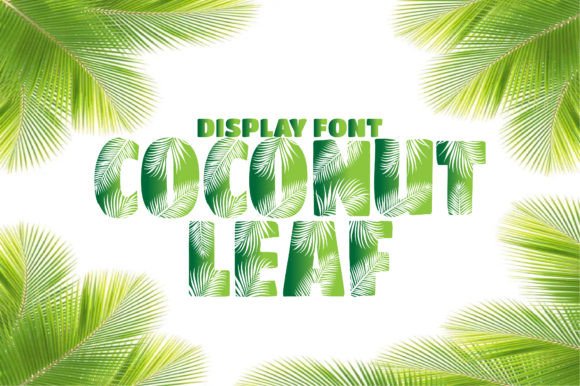
When I first laid eyes on Coconut Leaf, the font immediately evoked a sense of warmth and playfulness. Its organic curves and slightly irregular shapes give it a handcrafted feel, reminiscent of tropical landscapes and beachside vibes. The letters seem to sway gently, as if caught in a breeze, making it ideal for projects that aim to convey a relaxed, fun, or nature-inspired mood.
The typeface has a distinct visual personality—lively yet structured. It’s not overly ornate, but it carries enough detail to stand out without overwhelming the design. This balance makes it a strong candidate for brand identities that want to feel both modern and approachable.
Real-World Applications: Where Coconut Leaf Shines
In logo design, Coconut Leaf can be a powerful tool when used strategically. Its decorative nature works well for logos that need a touch of whimsy or a connection to nature. However, it’s important to keep the text short and simple, as long phrases can become cluttered and lose clarity.
For brand identity, Coconut Leaf adds a unique flair that can differentiate a brand from competitors. It pairs well with bold colors and natural textures, making it a great choice for eco-friendly brands, lifestyle products, or creative startups looking to stand out.
In packaging design, Coconut Leaf can add an eye-catching element to product labels and boxes. Its playful style works particularly well for food, beverage, and personal care items that want to emphasize a natural or artisanal appeal. However, it’s best used as an accent rather than the primary text, especially on small packages where legibility is key.
When it comes to editorial design, Coconut Leaf can be used for headings or subheadings that require a bit of character. It adds a fresh, dynamic energy to magazines, brochures, or newsletters that target a younger or more creative audience.
On social media graphics, Coconut Leaf can help create visually engaging posts that capture attention. It’s effective for quotes, captions, or promotional banners, especially when paired with bold colors and minimal backgrounds. But again, it’s important to test how it looks on different screen sizes and in various formats.
For web design, Coconut Leaf may not be the best choice for body text due to its decorative nature. However, it can be used effectively for headers, buttons, or other UI elements that benefit from a distinctive look. When using it online, ensure it’s optimized for web use and check how it renders across different browsers and devices.
Where to Use Coconut Leaf Carefully
While Coconut Leaf is a striking display font, it’s not always the best choice for large headlines or supporting text. In these cases, it can become difficult to read, especially at smaller sizes or in dense layouts. For such scenarios, consider pairing it with a more readable sans serif or serif font to maintain hierarchy and clarity.
When used in premium packaging or high-end branding, Coconut Leaf may not convey the sophistication expected by some audiences. In those cases, a more refined typeface might be a better fit. However, for casual or lifestyle brands, it can be a refreshing alternative that feels authentic and genuine.
On social posts, Coconut Leaf can be effective when used sparingly. Overusing it can make content feel cluttered and unprofessional. Instead, use it for key phrases or visual accents that reinforce the brand’s personality without overpowering the message.
Readability, Hierarchy, and Brand Consistency
One of the most important factors in any design project is readability. Coconut Leaf excels in this area when used in appropriate contexts—such as short phrases, titles, or decorative elements. However, it’s essential to test it in black and white to see how it performs without color contrast, which can sometimes mask issues with legibility.
For brand consistency, Coconut Leaf can be a valuable addition to a brand’s typographic palette. It provides a unique voice that complements more traditional fonts. Just be sure to define clear guidelines for its use, including size, spacing, and placement, to maintain a cohesive look across all materials.
Audience trust and recognition are also influenced by typography. While Coconut Leaf may not be the most conventional choice, it can help build a memorable identity for brands that want to stand out. Its visual appeal can increase engagement, especially among audiences who appreciate creativity and originality.
Practical Designer Notes
Before finalizing any project, I always recommend testing a font like Coconut Leaf in real-world mockups. See how it looks on different surfaces, in various sizes, and alongside other design elements. This helps identify potential issues that may not be apparent on a screen alone.
Pay close attention to the spacing between letters and lines. Decorative fonts often have irregular spacing that can affect overall readability. Adjusting kerning and tracking can make a big difference in how the font appears in different contexts.
Compare Coconut Leaf with other font styles to understand how it fits into your design system. Pair it with a serif font for a classic contrast, a sans serif for modern simplicity, or a script font for a more elegant feel. Each combination will yield different results, so experimentation is key.
Finally, always confirm the commercial licensing before using Coconut Leaf in client or business projects. Ensure it’s compatible with your workflow and that you have the rights to use it in all intended applications, whether digital or print.
Conclusion: A Unique Asset for Creative Projects
Coconut Leaf is a creative font that brings a fresh, playful energy to any design. It’s ideal for projects that want to embrace a tropical, artisanal, or nature-inspired theme. While it requires careful use in certain situations, its visual appeal and versatility make it a valuable addition to any designer’s toolkit.