Funky Bones Font for Web Design
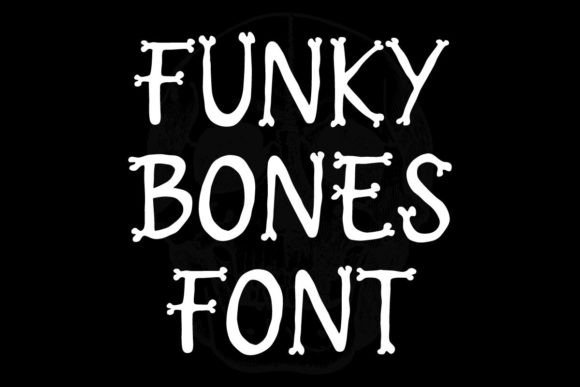
Funky Bones is a hand-drawn serif font that brings a playful, slightly chaotic energy to digital design. Its irregular strokes and uneven lines make it ideal for projects that need a unique, authentic feel without sacrificing legibility. As a web designer, you know how important it is to choose a typeface that supports both aesthetics and functionality. Funky Bones delivers on both fronts.
When used in headers, hero sections, or call-to-action buttons, Funky Bones adds a sense of character and whimsy. It’s perfect for Halloween-themed websites, pirate-inspired brand identities, or any project that benefits from a more casual, creative tone. The font’s personality helps establish a strong visual identity while still maintaining enough clarity for effective communication.
Using Funky Bones in Web Layouts
For web designers, the key is balance. Funky Bones works best as a display font rather than body text. Its irregularity can reduce readability when used in long paragraphs, but it shines when used strategically. For example, in a creative portfolio site, using Funky Bones for project titles or section headings creates a dynamic visual rhythm that draws attention and guides the user through the content.
In an online boutique selling handmade goods, Funky Bones can be used for product banners or promotional headlines. Its quirky style aligns with the artisanal nature of the products, reinforcing the brand’s personality. On a coaching website, it might appear in headline text for blog posts or course titles, adding a touch of energy and approachability.
When designing for mobile screens, it's important to test Funky Bones at different sizes. On smaller devices, the font’s curves and slants may become harder to read if not properly spaced. Using generous line heights and ensuring sufficient contrast against background colors helps maintain clarity. For dark backgrounds or image overlays, consider adjusting the font color or adding a subtle drop shadow to improve visibility.
Brand Identity and Visual Hierarchy
Funky Bones contributes to a brand’s tone by introducing a sense of fun and creativity. It’s especially effective for brands targeting younger audiences or those looking to stand out in a crowded market. However, it’s essential to pair it with other fonts that complement its style. A clean sans serif font for body copy or a simple serif font for subheadings can create a balanced and professional look.
For editorial designs, such as blog headers or magazine-style layouts, Funky Bones can add a handwritten charm that feels more personal. In packaging design or social media graphics, it can serve as a signature element that reinforces brand recognition. When used in logo design, it offers a distinctive alternative to more traditional serif fonts, making it ideal for creative startups or independent brands.
Font pairing is crucial for maintaining visual harmony. Pairing Funky Bones with a modern sans serif like Lato or Montserrat ensures that the design remains readable and cohesive. This combination allows the decorative elements of Funky Bones to shine without overwhelming the overall layout. For a more vintage or literary feel, pairing it with another serif font like Georgia or Playfair Display can create a sophisticated and elegant aesthetic.
Practical Applications for Digital Creators
For SaaS founders or digital product creators, Funky Bones can be a powerful tool in landing pages or sales copy. Used in headline text, it grabs attention and sets the tone for the rest of the page. In course sales pages, it can be used for title blocks or feature highlights, making the content more engaging and memorable.
Online store owners can use Funky Bones for banners, promotional text, or product titles. Its informal style works well for niche markets or brands that want to convey a sense of personality. For bloggers or content creators, it can be used in post titles, section headers, or social media captions to add visual interest and differentiate their content from competitors.
When working on client projects, it’s important to consider commercial licensing. Make sure the font license covers all intended uses, including website deployment, app interfaces, and print materials. Some fonts offer webfont formats like WOFF or WOFF2, which are essential for responsive design and cross-browser compatibility.
Finally, always test Funky Bones across different platforms and screen sizes. Ensure that it renders consistently on desktop and mobile devices, and check that it works well with various background colors and textures. By focusing on usability and visual impact, you can leverage Funky Bones to enhance your digital projects while maintaining a professional and cohesive brand presence.