Yarnball: A Cozy Handwritten Font
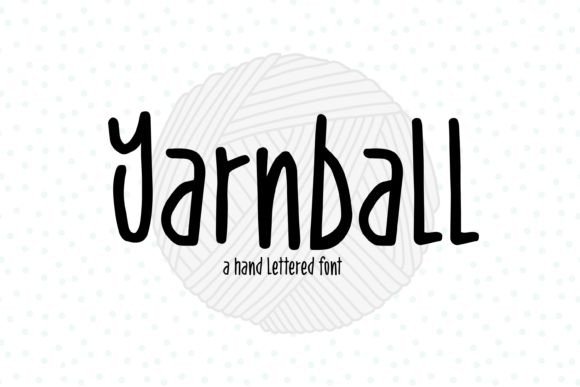
There I was, tracing the edge of a candle label with my pen, trying to find the perfect font that felt just right. Not too stiff, not too playful—something that whispered, "I’m handmade." That’s when I discovered Yarnball. It’s a quirky, handwritten font that brings a cozy, homemade vibe to any project. Its smooth and slightly irregular strokes give it an authentic, hand-lettered feel that feels like it was written with a pencil on a scrap of paper.
Using Yarnball on labels, cards, and packaging has transformed the way I present my products. It adds a personal touch that makes everything feel more thoughtful. Whether I’m designing a greeting card or printing a seasonal tag, Yarnball never fails to bring warmth and character to the page.
How Yarnball Brings Life to Handmade Projects
I’ve used Yarnball on everything from farmhouse signs to wedding welcome boards. The font’s gentle curves and soft edges make it ideal for rustic or cozy themes. For example, when I created a set of printable wall art for a fall decor collection, Yarnball was the perfect choice. It gave each piece a handmade feel that made them stand out in a crowded market.
For my candle labels, Yarnball adds a subtle charm that complements the natural ingredients and scents. It works especially well when paired with a clean sans serif font for the product description, creating a balance between personality and readability. This pairing is great for shop listings, where clarity and style need to coexist.
Real-World Applications of Yarnball
One of my favorite uses for Yarnball is on greeting cards. When I designed a series of birthday invitations, I chose Yarnball for the main text because it added a sense of fun and whimsy. The slight imperfections in the letters made each card feel unique, as if it had been written by hand rather than printed from a computer.
Yarnball also shines on small stickers and product tags. Even when scaled down, the font retains its charm and legibility. I’ve used it on boutique tags for my handmade soaps, and customers often comment on how much they love the “personal touch.” It’s a great way to reinforce brand identity and create a memorable experience for buyers.
Designing with Yarnball
When working with cutting machines like Cricut or Silhouette, I always test Yarnball at different sizes to ensure it remains readable. While it’s best suited for short phrases and titles, it can still work for longer text if used sparingly. I tend to use it for headings, captions, and decorative elements rather than body copy.
Pairing Yarnball with other fonts can enhance its impact. For instance, combining it with a simple serif font creates a classic, elegant look. Alternatively, using it alongside a bold display font can add visual interest to digital templates or social media graphics. The key is to let Yarnball shine without overwhelming the design.
Considerations for Using Yarnball
Before using Yarnball in commercial projects, I always check the included styles, alternates, and ligatures. These features can add variety and depth to designs, especially when creating printables or merchandise. The font also supports multiple file formats, which is essential for different types of projects.
For those selling physical products or digital downloads, it’s important to verify the licensing terms. Yarnball’s commercial license allows for use in a wide range of applications, including printed materials and online templates. This flexibility makes it a valuable asset for handmade sellers looking to elevate their brand.
Final Thoughts on Yarnball
Whether you’re designing a wedding invitation, creating printable wall art, or labeling a batch of candles, Yarnball offers a unique blend of charm and functionality. It’s a font that feels personal, making it perfect for makers who want to add a handmade touch to their work. With its warm, creative appeal, Yarnball is more than just a typeface—it’s a tool for storytelling through design.